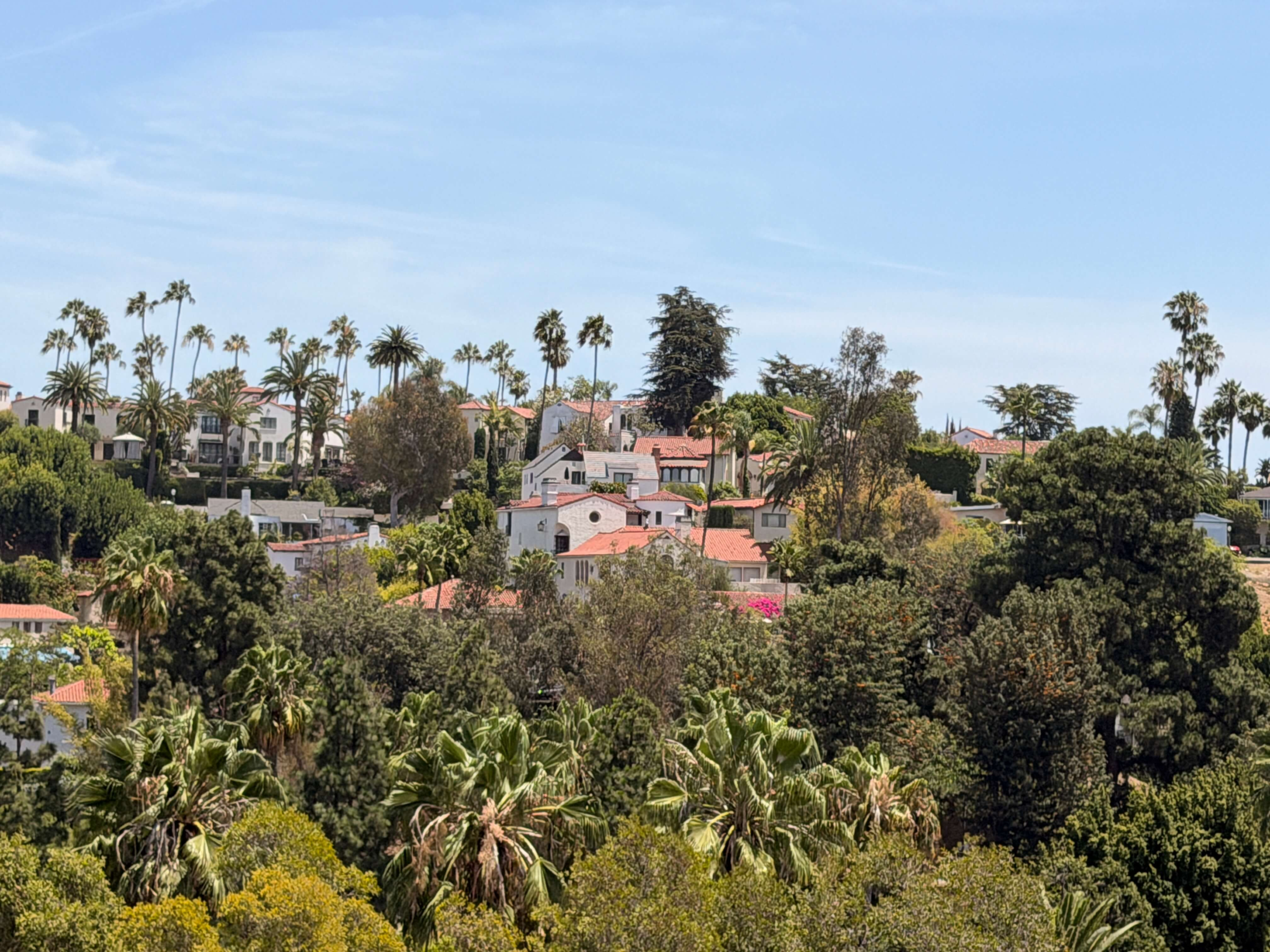
If you are looking at homes in architectural pockets like Whitley Heights or Hollywood Heights, you have probably fallen in love with the Spanish Colonial and Mediterranean details. Buying a piece of Los Angeles history is a smart move, but buying a historic home in Los Angeles comes with rules every buyer should understand before writing an offer. Some of those rules add cost. Others can save you money for years.
First, find out if the house is in an HPOZ
Los Angeles has 36 Historic Preservation Overlay Zones (HPOZs), neighborhoods where exterior changes are reviewed to protect their historic character. Whitley Heights is one of them. Hollywood Heights is not an HPOZ, although it has individually designated landmarks and plenty of century-old homes with their own hillside considerations.
You can check any address in ZIMAS, the City of Los Angeles zoning map, which shows whether a property sits in an HPOZ or carries another historic designation. I check this before we tour.
What an HPOZ actually reviews
In Whitley Heights, exterior work visible from the street is measured against the Whitley Heights Preservation Plan. A few examples from the plan:
- Paint: Repainting in the same colors is exempt. New colors need sign-off from City Planning staff.
- Windows and roofs: Repair is preferred over replacement. Matching replacements and in-kind roof repairs can often be approved by staff.
- Front and side yards: Hardscape, fences, artificial turf, new trees and tree removal are reviewed.
- Additions: Small rear additions not visible from the street can be approved by staff. Larger projects go to the five-member HPOZ Board.
- Exempt: Interior work, most rear-yard landscaping, rear patios and decks under five feet, and in-ground pools in the rear yard of a non-corner lot.
The takeaway: review adds time to a renovation, and matching original materials such as wood windows or clay tile can cost more. Build both into your plans and your offer.
Ask what the last owner changed
Due diligence on a historic home goes beyond the foundation and plumbing. We review the permit history and any prior HPOZ approvals, because exterior changes made without approval can become the new owner’s problem. Knowing what was approved, and what was not, tells you exactly what you are buying.
The upside: the Mills Act and a protected streetscape
Some historic homes carry a Mills Act contract, California’s leading preservation incentive. In Los Angeles it is a ten-year contract with the city that renews automatically, can lower property taxes, and transfers to the new owner at sale. The maintenance obligations transfer too, so ask for the contract and its rehabilitation plan. For new applications, the city sets a $1.5 million assessed value threshold for single-family homes; properties above it need an exemption and a Historic Structure Report.
The HPOZ itself is an asset. Every neighbor is held to the same standard, so the streetscape you are paying for stays intact. 2001 Holly Hill Terrace is a good example, with a Mills Act contract and a permanent LA Conservancy facade easement.
Hillside homework
Historic or not, homes in Whitley Heights and Hollywood Heights sit on hillsides. Look closely at retaining walls, drainage, access and parking (some homes are reached by stairways rather than streets), and fire-zone insurance costs.
Historic home checklist for buyers
- Confirm the address’s overlays and designations in ZIMAS.
- Request the permit history and any HPOZ approvals.
- Ask whether there is a Mills Act contract, and read it.
- Add specialist inspections for foundation, sewer line, drainage and retaining walls.
- Get insurance quotes early in escrow.
- Read the preservation plan before you plan a remodel.
For the full buying process, see How to Buy a House in Los Angeles: The Complete 5 Phase Checklist.
Don’t let historic red tape catch you off guard. Reach out, and let’s find the right architectural gem in Whitley Heights or Hollywood Heights, with full clarity on what you can do with the property.
